

Clinical Supervision
The Importance of Clinical Supervision in Psychology Practice
Clinical supervision is a cornerstone of effective and ethical psychological practice. It supports both professional development and client wellbeing through structured reflection, guidance, and ongoing learning by:
1. Ensuring Ethical and Safe Practice
Supervision provides a dedicated space for psychologists to discuss complex cases, ethical dilemmas, and professional boundaries. Through this process, practitioners enhance accountability and ensure that client care remains aligned with professional standards and regulatory requirements.
2. Enhancing Professional Growth
Regular supervision encourages continuous learning and skill development. It allows psychologists to reflect on their therapeutic approaches, receive constructive feedback, and integrate new evidence-based practices into their work.
3. Supporting Practitioner Wellbeing
Psychological work can be emotionally demanding. Clinical supervision offers a supportive environment to process challenging experiences, prevent burnout, and maintain personal resilience—ensuring practitioners remain effective and compassionate.
4. Improving Client Outcomes
When psychologists engage in quality supervision, clients benefit directly. Enhanced practitioner competence and self-awareness lead to more effective interventions, clearer treatment planning, and improved overall outcomes.
5. Maintaining Professional Standards
Supervision upholds the integrity of the profession by fostering consistency, transparency, and continuous improvement. It is often a regulatory requirement, reflecting its central role in safeguarding both practitioners and clients.
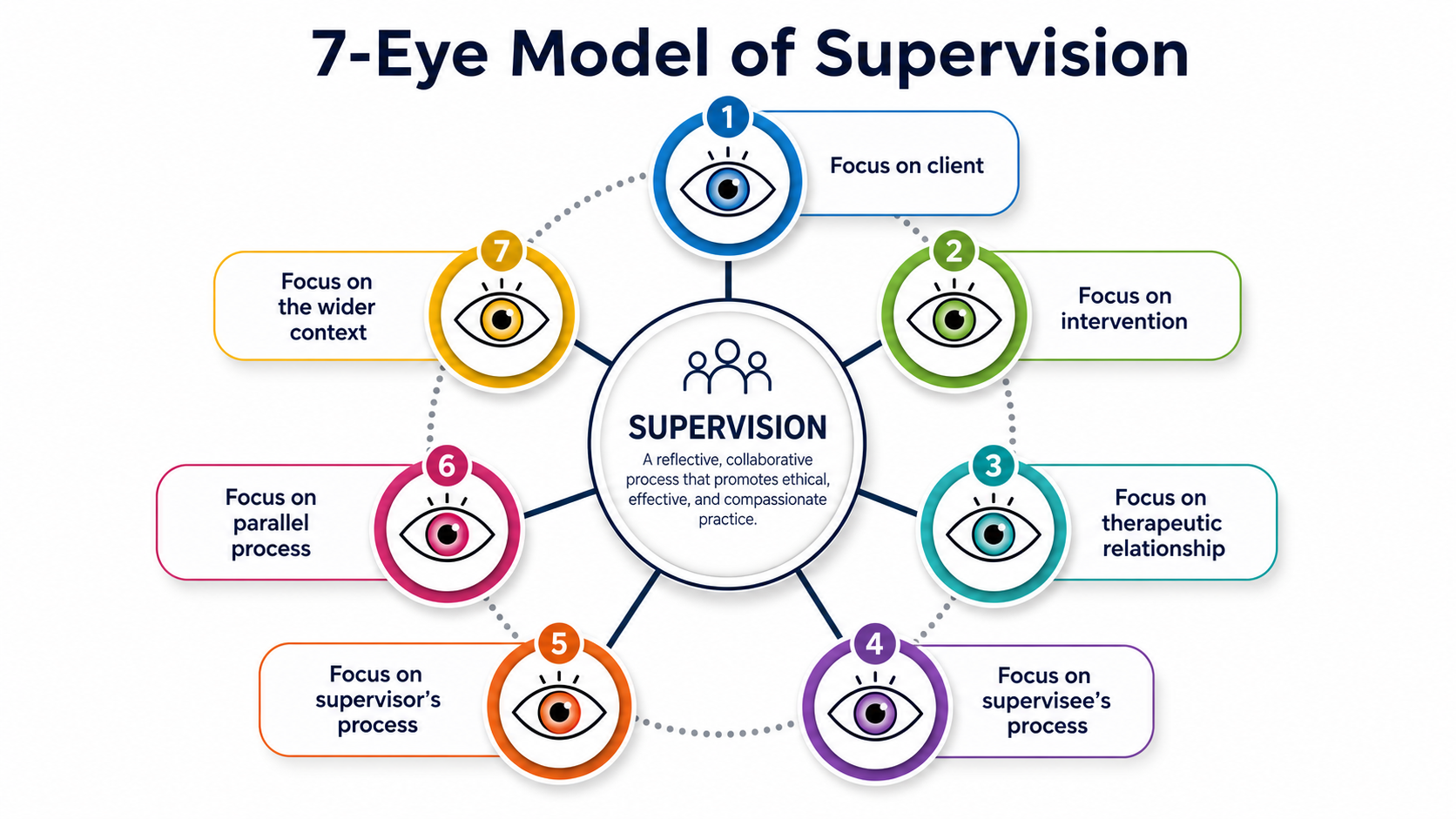
If you are interested in receiving clinical supervision please contact us.